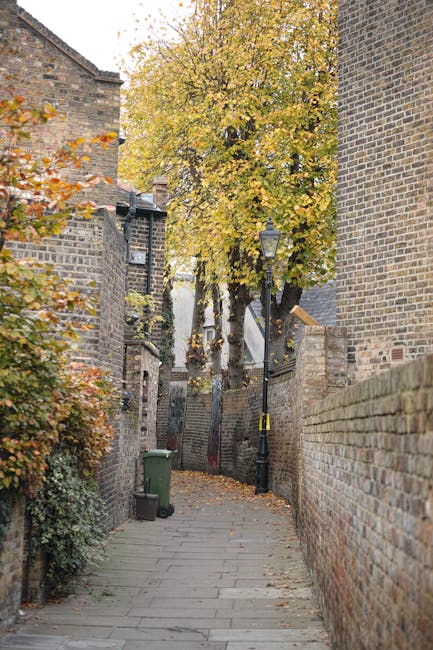
Narrow street rubbish collection access tips for Greenwich
Posted on 19/08/2026
Narrow Street Rubbish Collection Access Tips for Greenwich
Getting rubbish out of a tight Greenwich street can feel like solving a puzzle with moving parts: parked cars, narrow pavements, awkward turns, and neighbours trying to get by with their prams, bikes, or shopping bags. If you are dealing with a compact mews, a one-way lane, or a terraced street where a van can barely breathe, the right narrow street rubbish collection access tips for Greenwich can save a lot of stress. It is not just about lifting bags into a vehicle. It is about planning access properly, avoiding delays, and keeping the collection safe, tidy, and efficient.
This guide walks through what matters, how collections usually work in restricted streets, and the practical steps that make a real difference. We will also cover common mistakes, compliance basics, and a few local realities you will notice around Greenwich. Truth be told, the smoother the access plan, the less the whole thing feels like a last-minute scramble.

Why Narrow Street Rubbish Collection Access Matters
In Greenwich, access is often the difference between a straightforward collection and a messy one. Many streets in the borough are older, tighter, and busier than people first expect. You might have residents' parking on both sides, delivery vans blocking corners, low-hanging branches, or a narrow turning space that makes reversing unpleasant. If waste removal is booked without thinking through access, the crew may need extra time, extra manpower, or a different vehicle setup. Sometimes that is fine. Sometimes it leads to delay. And nobody likes that.
Access planning matters because rubbish collection is not only about volume. It is about distance, manoeuvrability, loading points, and safe foot access. A pile of bulky items at the kerb on a wide road is one thing. A set of builders' bags halfway down a narrow lane, with no turning point and a shared entrance, is another. The second scenario needs proper coordination or it quickly becomes awkward for everyone involved.
It also matters for neighbours. A collection that blocks the street for too long can create tension. That sounds a bit dramatic, but it happens. One van, one parked car in the wrong place, and suddenly everyone is trying to reverse the day. Better access planning keeps things civil, tidy, and less noisy for the block.
For a broader view of the kinds of jobs that can be handled this way, it helps to understand the different waste removal services available. That context makes it easier to match the access challenge with the right service from the start.
How Narrow Street Collection Access Works
Most narrow-street collections in Greenwich follow a simple logic: assess the access, choose the best collection method, then keep the loading route as short and safe as possible. That sounds obvious, but the detail is where jobs succeed or slip up.
Typically, the process starts with a description of your street and property. The collection team needs to know whether they can park close by, whether there is a loading bay, whether the road is one-way, and whether the waste is on the ground floor, basement, rear alley, or top-floor flat. In many cases, a short walk from the vehicle to the waste is no problem. But if the path is narrow, steep, or cluttered, that changes the plan.
Some jobs work best with a smaller vehicle or a crew that can hand-carry items to the truck. Other jobs may need waste to be brought to the front of the property first. In a flat above a shop or a converted terrace, for example, the loading route might involve stairs, a front path, and a gate that barely opens fully. A good crew will adapt. A less prepared one may be caught off guard. That is where things get clunky.
For domestic loads, collections are often simpler if waste is grouped clearly and left in a sensible position. For larger clearances, such as household declutters or office strip-outs, access needs to be mapped more carefully. If you want a sense of how local domestic arrangements usually fit into the bigger picture, have a look at SE10 household waste collection guidance and the wider domestic waste collection service.
There is also a practical difference between a simple collection and a full waste removal visit. A collection may rely on pre-staged items, while a full removal job usually includes lifting, sorting, and loading from wherever the waste is located. If the street is narrow, that distinction becomes important very quickly.
Key Benefits and Practical Advantages
When access is handled well, the benefits are not subtle. The job feels calmer, faster, and much more predictable.
- Less time wasted: a clear loading route reduces back-and-forth movement.
- Lower chance of disruption: fewer blocked doors, less congestion, fewer awkward manoeuvres.
- Better safety: less lifting over distance means fewer trips, trips, and strained backs.
- Cleaner presentation: waste is moved out efficiently instead of sitting around on the pavement.
- More accurate planning: crews can bring the right vehicle and enough labour.
There is another practical advantage that people sometimes miss: good access planning can reduce the chance of hidden extras. If the collector knows in advance that access is tight, they can quote more accurately. If they are surprised on arrival, the day can get more expensive, or the crew may have to improvise. That is exactly the sort of thing you want to avoid.
Local knowledge also helps. Greenwich has a mix of Victorian terraces, converted flats, busy high streets, estate roads, and older residential pockets. A collection method that works in one part of the borough may be a poor fit in another. That is why a service that understands local streets tends to feel more reliable than one treating every address the same. If you are comparing options, the service overview page is worth a look: services overview.
And if you are clearing larger items, the right method matters even more. A sofa, fridge, old wardrobe, or builder's rubble bag can be manageable on its own, but not if it has to be dragged through a tight passage in a rush. Nobody wants to chip a wall on the way out. Happens more often than people admit.
Who This Is For and When It Makes Sense
This topic matters for a wide mix of Greenwich residents and businesses. If your property opens onto a narrow street, you are probably already familiar with the dance of timing and parking. Still, some situations make access planning especially worthwhile.
- Flat owners and tenants in converted buildings with shared stairwells or tight entrances.
- Homeowners on terraced streets where parking sits right up against the pavement.
- Landlords and letting agents arranging end-of-tenancy clearances.
- Builders and trades working on small residential plots or tight mews access.
- Offices and small shops on side streets, back lanes, or mixed-use roads.
- Anyone with bulky waste that cannot simply be left at the front gate and forgotten.
It makes sense to plan access before you need the collection, not after. A last-minute call on the morning of the job can still work sometimes, but it tends to be more stressful. If you have a one-day clearance, or if you are juggling residents, deliveries, or building works, the access plan should come first.
People also sometimes underestimate how Greenwich's local character plays into all this. If you are moving to, buying in, or investing in the area, you may find yourself dealing with the same narrow access patterns again and again. That is why articles like is Greenwich the right home for you, buying real estate in Greenwich, and wisely investing in Greenwich property are surprisingly relevant here. Property decisions and waste access do cross over more than people think.
Step-by-Step Guidance
If you want a smoother collection in a narrow Greenwich street, use a simple process. It does not need to be fancy. It just needs to be done in order.
- Assess the access route. Measure or eyeball the distance from where the vehicle can stop to where the waste sits. Check gates, corners, steps, and any tight turns.
- Identify obstacles. Look for parked cars, bins, hanging branches, narrow alleys, cable runs, and low walls that could slow the team down.
- Separate the waste by type. Keep furniture, bags, builders' waste, garden waste, and electrical items apart if possible. Clear grouping makes loading much easier.
- Decide where the waste will be staged. If it can be moved to a front garden, driveway edge, or accessible hallway before collection, do that early. The fewer obstacles on the day, the better.
- Share access details clearly. Tell the provider about steps, long walks, parking limits, and any entry codes or restricted access hours.
- Check timing. Busy school-run hours, commuter traffic, and bin day can all affect how easy your road is to use.
- Confirm the collection method. Make sure you know whether the crew will load from the kerb, from the property, or from a rear route.
- Keep the route clear on the day. Move bikes, plant pots, loose rugs, and other clutter out of the way. It sounds minor, but these little things trip people up.
If the waste is part of a larger clear-out, the exact service matters too. A household declutter is different from a loft clear or an office strip-out. For example, a bigger move may fit better with house clearance, loft clearance, or office clearance depending on the situation.
And yes, it helps to walk the route yourself once before booking. You notice things on foot that you miss from the doorstep. A tiny step, a narrow swing gate, a drain cover that slopes awkwardly - all of it matters when the truck arrives.
Expert Tips for Better Results
A few small decisions make a very big difference in tight Greenwich streets. These are the practical touches that tend to separate a smooth collection from a frustrating one.
- Stage waste near the shortest safe exit. Do not force items through a longer route just because it is the front door. Sometimes the side path is faster, sometimes not.
- Use smaller loads if needed. If access is awful, split the job into two smaller visits rather than one stressful one.
- Leave turning space where you can. Even a little extra space at the kerb can help the crew park safely without blocking everyone.
- Think about weather. Rain makes narrow paths slippery and more awkward. A damp morning in Greenwich can change the job more than you might expect.
- Warn about fragile surroundings. Steps, railings, hanging baskets, and narrow hallways should be mentioned upfront.
- Keep bulky items accessible. Put mattresses, wardrobes, and white goods where they can be reached without wrestling through the whole house.
If the item list includes appliances or awkward bulky pieces, it may help to plan them separately. A fridge or washing machine is not just heavy; it is awkward, and awkward is often the real issue. The relevant service page, such as white goods and appliance disposal, can be a better fit than a general uplift.
Another useful habit: photograph the access point before you book. Nothing elaborate. Just a few clear phone photos of the street, gate, or loading route. It gives everyone a shared picture, which cuts down on guesswork. Honestly, guesswork is where most headaches begin.
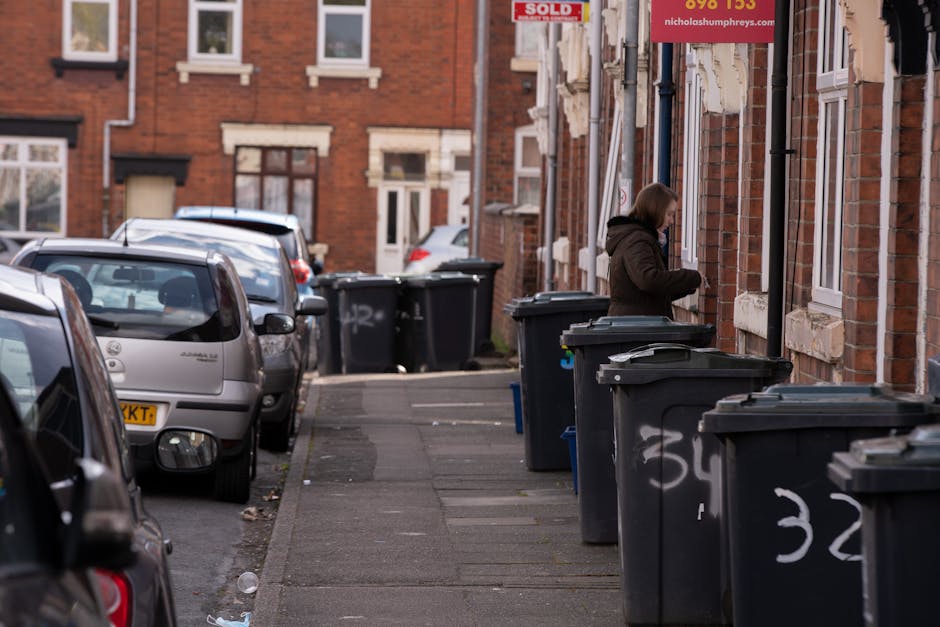
Common Mistakes to Avoid
Most access problems are preventable. The tricky part is that they often look small at first.
- Assuming a van can stop anywhere. On narrow streets, parking space is often the real bottleneck.
- Leaving waste in a random spot. If the crew has to search for it or move it twice, time gets wasted.
- Forgetting about gates and stairwells. A route that looks fine from the pavement can be a nightmare once you reach the first landing.
- Not mentioning nearby restrictions. School times, loading bays, resident-only zones, and permit rules all affect access.
- Booking the wrong service type. A garden clearance, builder's rubble job, and household declutter do not always need the same setup.
- Underestimating the volume. Tight access plus too much waste is a classic recipe for delay.
One of the more annoying mistakes is hidden in plain sight: people often think the street looks "fine" because they have lived there for years. Fair enough. But a crew arriving with tools, gloves, and a schedule does not see the street the same way you do. They see manoeuvring space, walking distance, and the physical cost of every extra trip.
It is also worth avoiding rushed bookings when the collection has to happen in a busy part of Greenwich. If the road is already awkward, and the waste is bulky, and the weather is poor, a rushed arrangement can snowball. Better to pause for ten minutes and describe the access properly than to fix a problem later.
Tools, Resources and Recommendations
You do not need specialist software to organise a narrow street collection, but a few simple tools help a lot.
- Phone photos and short videos of the street, gate, staircase, or loading point.
- A measuring tape for gates, doorways, and the widest part of any passage.
- Notes about parking restrictions and the times they apply.
- A rough list of waste types so the right vehicle and team size can be planned.
- Clear labels or grouping for items that are being kept, donated, or removed.
For broader planning, it can help to read around the service type before you book. The local pages on rubbish collection in Greenwich and waste removal in Greenwich can help you decide whether you need a simple uplift or a fuller service.
If your job involves trade waste, builders' debris, or mixed material from a renovation, the access issues are often joined by sorting issues. In that case, builders waste disposal may be the better route. If it is garden cuttings, soil, and green waste, then garden waste removal makes more sense. Matching the job to the right service avoids a lot of awkwardness.
You may also find it helpful to read about common booking issues. A piece like hidden charges in rubbish removal and another on avoiding common mistakes when hiring waste removal services are genuinely useful companions to this topic. They help you ask sharper questions before the van arrives.
Law, Compliance, Standards, or Best Practice
With waste collections, compliance is mostly about using a responsible, traceable service and handling materials properly. You do not need to become an expert in every rule, but you should know the basics.
A legitimate provider should be able to explain how waste is handled, what happens to recyclable materials, and how duty of care is managed in general terms. They should also be transparent about pricing, insurance, and what is included. If a company sounds vague about where waste goes or who handles it, that is a warning sign. Not always a hard no, but definitely worth a second look.
Access itself also has a safety angle. Narrow streets create extra risk around reversing, lifting, pedestrian movement, and trip hazards. Good practice means keeping routes clear, avoiding unnecessary obstruction, and not leaving waste in a way that creates danger for passers-by. If the property is cramped, the safest route is usually the best one, even if it is not the quickest.
For reassurance on this side of things, it is sensible to read service information carefully. Pages such as waste carrier licence and compliance, insurance and safety, and recycling and sustainability help set expectations around responsible handling. That is the kind of detail that separates a polished operation from a hopeful one.
If you are arranging regular collections for a business or managed property, standards matter even more. Office corridors, bin stores, basement access, and service yards all need to be treated carefully. The job should feel organised, not improvised. A bit of professionalism goes a long way, especially in older Greenwich streets where every inch counts.
Options, Methods, or Comparison Table
There is no single best access method for every narrow street. The right option depends on space, waste type, and how urgent the job is.
| Method | Best for | Pros | Watch-outs |
|---|---|---|---|
| Kerbside collection | Waste already staged close to the road | Fast, simple, low handling | Needs enough parking and safe loading space |
| Property-side collection | Front gardens, drive edges, short paths | Less carrying distance than internal removal | May still be awkward if access is gated or stepped |
| Full in-property removal | Lofts, flats, offices, full clearances | Best when items cannot be moved externally by the customer | Needs more labour and careful route planning |
| Split-load collection | Very tight streets or large clearances | Reduces pressure on parking and handling | Can take longer and sometimes needs more scheduling |
For many Greenwich homes, a hybrid approach is the sweet spot. A few items can be brought to the front, while heavier pieces are collected from inside. That way the crew spends less time wrestling with the property and more time actually clearing it. Simple enough, but it works.
If you are still deciding between a general rubbish uplift and a more tailored job, the comparison with furniture removal or furniture disposal can help. Large bulky items often need a different approach from mixed household waste.
Case Study or Real-World Example
Picture a small terraced house in a Greenwich side street on a damp Tuesday morning. The residents have cleared out a spare room and the hallway is full of a bed frame, two boxes of books, an old chest of drawers, and a broken desk chair. The road is tight. One side has parked cars, the other has a bend near the junction. The front path is narrow, but the gate opens fully if a planter is moved.
In that situation, the smoothest plan is not to pile everything randomly at the pavement and hope for the best. The sensible move is to stage items just inside the front boundary, clear the gate, and keep the route free. The team can then work through the pieces in the right order: lighter items first, heavier items second, and the awkward frame last. If the crew knows the street is awkward in advance, they can arrive with the right expectations and enough time to do the job properly.
What usually goes wrong in jobs like this? Not the waste itself. The access. Someone forgets that a neighbour parks across the ideal drop-off point, or a bin lorry arrives at the same time, or the desk is wider than it looked in the photo. Suddenly everyone is trying to shift gear around each other. Very annoying. Very human.
On the other hand, when the access is planned carefully, the whole thing feels almost boring. And boring is good. Boring means no drama, no damaged paintwork, no back-and-forth guessing.
Practical Checklist
Use this checklist before your collection day. It keeps things grounded.
- Confirm the waste type and approximate volume.
- Check how the vehicle will reach the property or kerb.
- Measure gates, doorways, and narrow passages if needed.
- Note parking rules, loading restrictions, and any time limits.
- Move vehicles, bins, bikes, and loose clutter out of the access route.
- Group waste clearly so the crew can load efficiently.
- Tell the provider about stairs, steep slopes, basements, and rear access.
- Make sure fragile surfaces are protected where possible.
- Keep pets and children away from the loading area.
- Have someone available to answer access questions on arrival.
If you are booking for a larger property project, you may also want to review house clearance in Greenwich or, for business premises, commercial waste removal. These services are often easier to plan when access details are shared early.
Conclusion
Narrow street rubbish collection in Greenwich does not have to be stressful. Most problems can be avoided with a little planning, honest access details, and the right service choice. The main thing is to think like the crew will think: where can they park, how far must they carry, what will block them, and what could make the job unsafe or delayed?
Once you start looking at access that way, the process becomes much easier. You stop guessing. You start planning. And that makes all the difference in a borough where charming streets can also be a bit of a squeeze.
Get a free quote today and see how much you can save.
When the route is clear, the waste is grouped, and the timing is sensible, even a tricky Greenwich street can be handled neatly. Small preparation, big relief. That is usually how the good days go.