Blackheath bulky rubbish removal rates and real cost tips
Posted on 14/06/2026
If you are staring at an old sofa, a broken wardrobe, or a pile of renovation offcuts and wondering what it will actually cost to get rid of it, you are not alone. Blackheath bulky rubbish removal rates and real cost tips matter because the final bill is often shaped by more than just "how much stuff" you have. Access, labour, waste type, parking, and the speed you need can all shift the price quite a bit.
Truth be told, bulky waste is one of those jobs that feels simple until you start pricing it. Then the small details matter. This guide breaks the process down in plain English: how bulky rubbish removal usually works in Blackheath, what pushes costs up or down, how to compare quotes fairly, and where you can save money without cutting corners. If you want a broader look at the kinds of jobs people book, the site's waste removal service guide is a useful companion read.
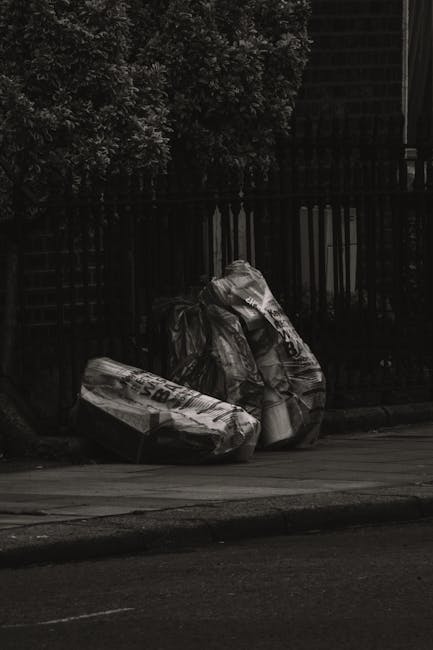
Why Blackheath bulky rubbish removal rates and real cost tips Matters
Bulky rubbish is expensive for one main reason: it is not just "rubbish". It is large, awkward, and often labour-heavy. A mattress may seem straightforward, but carrying it down three flights of stairs, protecting a hallway, loading a van in a narrow street, and disposing of it correctly is a different story. That is why rates can vary so much from one job to another.
In Blackheath, the local context also matters. Some properties have tight access, shared entrances, resident-only parking, or long carry distances from flat to kerb. Those details can affect the time needed on site, and time is money. So when people ask for the cheapest option, the better question is usually: what is the true cost for my situation?
Real cost tips help you avoid two common problems. First, underestimating the load and being surprised by add-ons. Second, paying for a bigger service than you actually need. Neither is fun. And let's face it, nobody wants to negotiate pricing when the hallway is already full of broken furniture.
Expert summary: The cheapest quote is not always the best value. The best value is usually a clear, itemised price that matches the volume, access, waste type, and collection timing you actually need.
If your clearance is tied to moving home, you may also find some background context useful in the article on buying real estate in Greenwich or the piece on property investment in Greenwich. Both help explain why timely clearance can protect momentum during a sale, letting, or refurbishment.
How Blackheath bulky rubbish removal rates and real cost tips Works
Most bulky rubbish removal quotes are based on a mix of visible volume and practical effort. A provider will usually look at what you need removed, where it is, how easy it is to access, and whether anything needs special handling. Some jobs are priced by van space, others by item count, and some by a combination of both. The model changes, but the logic stays the same.
Here is the basic flow you can expect:
- Describe the load clearly. List the items, count them, and mention anything heavy, awkward, or fragile.
- Share access details. Mention stairs, lifts, parking limits, narrow roads, or distance from the property to the van.
- Confirm the waste type. General bulky waste is different from builders waste, garden waste, or white goods.
- Get a quote structure. Ask whether the price is fixed, estimated, or based on load size and labour time.
- Book a collection window. Same-day or urgent pickup can cost more, especially if it requires extra dispatch.
- Review the final collection. Good operators should confirm the load before work begins and explain any changes before proceeding.
This is also where communication makes a huge difference. A quick photo or two can prevent guesswork. A sofa looks small in a wide-angle picture until someone tries to turn it around a landing. You know how it goes.
For a wider look at how different jobs are grouped, the services overview page can help you see how bulky items often sit alongside domestic, furniture, garden, or office clearances depending on the situation.
Key Benefits and Practical Advantages
Using a professional bulky rubbish removal service is not only about saving your back. It can also save time, reduce disruption, and help you avoid disposal mistakes. For many households and landlords, that makes a very real difference.
- Faster clearance: A good team can remove large items in one visit rather than leaving them piled in a spare room for weeks.
- Less stress: No hiring van, no lifting on your own, no endless trips to a reuse or disposal point.
- Safer handling: Heavy items and awkward corners can cause damage if rushed.
- Cleaner handover: Useful when you are preparing a property for sale, tenancy change, or refurbishment.
- Better cost control: A clear quote helps you budget properly instead of guessing.
There is another advantage people forget: mental breathing room. Once the clutter goes, the space feels different. Quiet, even. You notice the light coming in again. That sounds small, but it matters when a room has been used as a dumping ground for months.
If your bulky items are mainly old sofas, wardrobes, or dining sets, the dedicated furniture disposal service is often the most relevant place to start. For white goods such as fridges, freezers, or washing machines, the appliance disposal option is usually a better fit because those items can need separate handling.
Who This Is For and When It Makes Sense
Bulky rubbish removal is useful for a wider group of people than you might expect. It is not just for full house clearances or major renovations. In fact, a lot of calls come from smaller, very ordinary situations.
This service tends to make sense if you are:
- clearing a flat after a move or tenancy change
- replacing old furniture and need the discarded pieces gone quickly
- prepping a property for sale or rent
- dealing with loft, garage, or spare-room clutter
- clearing builders waste after a modest project
- disposing of garden cuttings, broken sheds, or outdoor junk
- managing office or shop items that are no longer useful
For landlords and agents, timing often matters more than anything else. A delay can push back photos, viewings, inventory checks, or cleaning. For homeowners, the issue is often energy. A room full of old stuff makes every other task feel harder. One box becomes five. Then somehow there is no floor left.
For larger or mixed clearances, it can help to look at related services such as house clearance, loft clearance, office clearance, or builders waste disposal. Choosing the right category usually leads to a cleaner quote and fewer surprises.
Step-by-Step Guidance
If you want to keep costs sensible, the best thing you can do is approach the job methodically. Small bits of preparation often save more than people expect.
1) Make a precise item list
Walk through the space and write down every item. Use plain language: one sofa, two armchairs, one broken chest of drawers, six black bags, a washing machine, and so on. If there is mixed material, note that too.
2) Separate what can be reused or donated
Anything still usable should be taken out of the disposal pile. A service fee should not cover items that could be sold, gifted, or kept. You might not get a fortune from a resale, but a little bit back is better than paying to throw away something decent.
3) Measure access honestly
Stairs, basements, loft hatches, narrow corridors, and long walks to the nearest loading point can all affect the labour element. If you think a large sofa "should fit", say so - but also mention if it has to be turned sharply or carried through a tight landing.
4) Ask how the rate is calculated
Some companies charge by load size. Others use item-based pricing. Some combine labour and disposal in one flat quote. Ask what is included and what is not. A fair quote should make this easy to understand.
5) Confirm whether waste type changes the price
General bulky household waste is not the same as plasterboard, mattresses, fridges, or garden waste. Different materials can affect disposal routes and fee structures. Nothing dramatic - just different handling.
6) Check the timing
Same-day removal, evening slots, or weekend collections may carry a premium. If you are flexible by a day or two, say so. Flexibility often saves money.
7) Review the final summary before work starts
Once the team arrives, they should confirm the load and any changes before lifting begins. That avoids awkward conversations later. Better to spend one minute checking than ten minutes untangling a misunderstanding afterwards.
Expert Tips for Better Results
Here are the real cost tips that tend to make the biggest difference.
- Group items into one collection where possible. Two separate visits usually cost more than one efficient load.
- Move loose items together before the crew arrives. Bags, cushions, and smaller pieces are easy to scatter about, which wastes time.
- Take clear photos in good light. Morning light by a window is ideal. Dark hallway photos are not very helpful, to be fair.
- Be honest about awkward access. "One short flight of stairs" and "three flights with a tight turn" are not the same thing.
- Ask what happens if the load is smaller than expected. A fair provider should explain how pricing adjusts if the actual volume is less.
- Check whether your provider sorts for recycling. Responsible sorting can reduce waste and improve material recovery.
One small but useful habit: keep a rough "clearance corner" in the room a day before collection. Once you start stacking items in one place, the job becomes more visible and you can see if anything should be removed from the pile. Very simple. Weirdly effective.
You can also learn a lot by reading about a provider's approach to recycling and sustainability. That matters because the cheapest option is not always the one that handles waste best. And in Blackheath, many people do care about that balance.

Common Mistakes to Avoid
A lot of price surprises come from avoidable mistakes. The good news is that they are easy to sidestep once you know what to look for.
- Using the wrong service type. A bulky item job is not always the same as a full clearance.
- Leaving waste description too vague. "A few things" is not enough.
- Forgetting about access issues. This is one of the biggest causes of revised quotes.
- Ignoring special items. Appliances, heavy mirrors, and mixed materials can change the handling needs.
- Choosing solely on headline price. A bargain quote that excludes labour or disposal can turn expensive quickly.
- Not checking collection terms. If timing, parking, or cancellation conditions are unclear, read them before you book.
A small one, but a costly one: forgetting to say the item is in the basement or loft. That detail alone can alter the whole job. Not always, but often enough to be worth saying up front.
Tools, Resources and Recommendations
You do not need fancy software or a spreadsheet empire to plan a bulky rubbish removal. A few practical tools are enough.
- Phone camera: Take wide shots of the items and the access route.
- Simple notes app: Keep a list of items so nothing gets missed.
- Tape measure: Useful for large furniture, appliance doors, or tight stair turns.
- Parking awareness: Note where a van could realistically stop without causing hassle.
- Calendar reminder: Handy if you need to move items or check collection timing.
When comparing options, it helps to read the provider's policy pages too, especially around pricing and quotes, payment and security, and terms and conditions. Those pages are not exciting, no, but they often reveal whether the business is clear and organised.
For general background on the company and its approach, the about us page can also help you judge whether you are dealing with a straightforward, local operation or something more opaque.
Law, Compliance, Standards, or Best Practice
With waste removal, compliance is not just box-ticking. It is about making sure your rubbish ends up somewhere legitimate and handled responsibly. In the UK, waste carriers should operate within the relevant legal and environmental rules, and customers are wise to check that their provider does the same.
Best practice usually includes:
- clear identification of the waste type
- responsible loading and transport
- appropriate disposal or recycling routes
- good records and straightforward pricing
- safe handling of heavy or sharp objects
If a provider can explain how they handle compliance in plain English, that is a good sign. You are not looking for a lecture. Just clarity. A proper operator should be able to talk through their approach without dancing around the question.
The page on waste carrier licence and compliance is worth a look if you want reassurance about the sort of standards a responsible waste service should follow. For safety-related concerns, the insurance and safety information is equally practical. And if you care about wider ethical considerations, there is also a modern slavery statement available on the site.
Options, Methods, or Comparison Table
If you are trying to decide the best route, this quick comparison should help. Rates vary, of course, but the trade-offs are fairly consistent.
| Method | Best for | Likely cost shape | Main advantage | Main drawback |
|---|---|---|---|---|
| Single bulky item collection | One or two large items | Lower, if access is easy | Simple and quick | Not ideal if you have a mixed load |
| Van-load or part-load removal | Several bulky items together | Moderate, based on volume and labour | Good value for mixed furniture | Needs accurate description |
| Full house or room clearance | Large declutters, moves, probate, tenancy ends | Higher overall, but more comprehensive | One visit clears a lot | Can be more than you need for a small job |
| Specialist appliance disposal | Fridges, freezers, washing machines | Usually separate from general waste | Better handling of regulated items | May not suit general junk removal |
| DIY hire and disposal run | People with time, transport, and lifting help | Can look cheaper at first | Control over timing | Hidden effort, fuel, and tip fees add up |
For many Blackheath households, the best value sits in the middle: one professional collection, properly described, with no surprises. That is the sweet spot. Not too tiny, not overblown.
Case Study or Real-World Example
A typical Blackheath-style job might look like this: a second-floor flat, one three-seater sofa, two armchairs, a bedside cabinet, a broken coffee table, and a bag of loose household items from a spare room. Nothing dramatic, but enough to be awkward if tackled alone.
The first quote may seem a bit high if you only focus on the sofa. But once the full load, stair carry, and parking reality are accounted for, the price makes more sense. The customer in this kind of scenario often saves money by doing two things before collection: breaking down what can be dismantled safely and removing anything that does not actually need disposal.
In practice, that can turn a "I suppose we need a big clear-out" job into a neat, manageable collection. The room feels bigger straight away. A bit quieter too. You almost hear the floor again.
If the same property later needs a wider tidy-up, the person might then move on to a domestic waste collection or, for a larger mixed job, even a rubbish collection package. The point is not to overbuy the first visit. Match the service to the actual problem.
Practical Checklist
Use this before you request a quote or book the collection.
- List every bulky item clearly
- Separate anything reusable from true waste
- Measure large items if size could matter
- Note stairs, lifts, and access restrictions
- Check where a van can park
- Photograph the load in good light
- Identify special items such as appliances or builders waste
- Ask whether the price is fixed or estimated
- Confirm what happens if the load is smaller or larger than expected
- Read the terms before booking
- Ask about recycling and responsible disposal
- Choose the earliest practical slot if timing is important
If you tick these off, you are already ahead of most people. Seriously. Half the battle is just clarity.
Conclusion
Blackheath bulky rubbish removal rates and real cost tips come down to one thing: matching the quote to the actual job. Once you understand how volume, access, item type, and timing affect the final price, it becomes much easier to avoid overpaying or booking the wrong service. That confidence is worth a lot on its own.
Keep it simple. Describe the load clearly, check the access honestly, and ask direct questions before you commit. That approach usually gets you the cleanest result and the fairest price. And honestly, it makes the whole process less of a headache.
Get a free quote today and see how much you can save.


 Tipper Van - Waste Removal and Rubbish Clearance Prices in Greenwich, SE10
 Luton Van - Waste Removal and Rubbish Clearance Prices in Greenwich, SE10